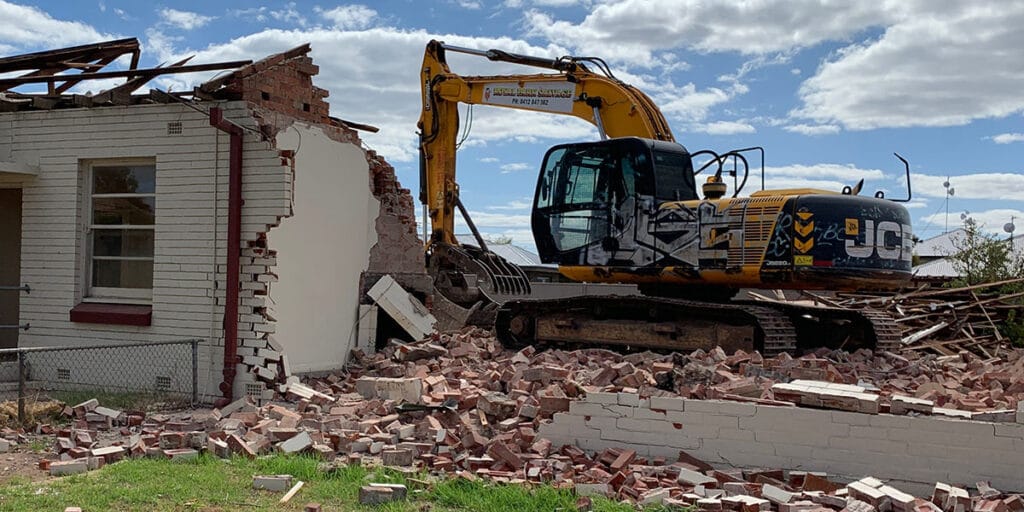
When the demolition crew packs up and drives away, most homeowners and business owners feel relief — the messy job is done and the site is clean. But have you ever thought about where all that rubble actually ends up?
It’s a question that matters more than it might seem. Construction and demolition waste is one of the largest waste streams in Australia. How it’s handled — whether it goes straight to landfill or whether it’s sorted, processed, and recycled — has real environmental consequences. And it’s also a question that reflects directly on the values of the demolition company you hire.
At Spotless Demolition, eco-friendly, responsible waste management is part of every job we do. This is the story of what actually happens to your demolished rubbish after it leaves your property — from residential demolitions in Brisbane suburbs to commercial strip-outs on the Gold Coast.
♻️ Demolition Done Right. From Start to Finish.Spotless Demolition provides eco-friendly, responsibly managed demolition and rubbish removal across Brisbane and the Gold Coast. 30+ years experience. Free quotes. |
Why Demolition Waste Management Matters
Queensland generates millions of tonnes of construction and demolition waste every year. Historically, a significant proportion of this went directly to landfill — mixed loads of concrete, timber, plasterboard, tiles, metal, and fixtures thrown together in skip bins and dumped. This approach is both environmentally damaging and increasingly expensive as landfill levies in Queensland rise.
The alternative — source separation, where different materials are sorted during demolition and then channelled into the appropriate recycling or recovery stream — significantly reduces what ends up in landfill. It requires more discipline on site and more time invested in material handling, but it’s the responsible and increasingly standard approach for professional demolition operators.
| ♻️ Spotless Eco Commitment: Spotless Demolition’s operations are built around minimising landfill waste. From the moment we start a job, materials are separated and handled with their end destination in mind — not just loaded and tipped. |
Step 1: On-Site Material Separation
The process begins before a single truck is loaded. On every Spotless Demolition job, materials are separated on site during the demolition process itself — not mixed together and sorted later. This is the most effective point of intervention, because materials that are mixed together are significantly harder to recover and recycle downstream.
Here’s how the main material streams from a typical interior demolition are handled:
Concrete and Masonry Rubble
Broken concrete — from slabs, walls, and footings — is one of the most recyclable demolition materials available. Concrete rubble is processed by specialist recycling facilities and crushed into recycled aggregate, which is used as road base, drainage fill, and sub-base material in new construction. Rather than going to landfill, your demolished concrete floor or bathroom wall can become the base of a road or building foundation. Renovation and rubble waste removal handled by Spotless includes correct disposal and recycling of concrete and masonry materials.
Ceramic and Porcelain Tiles
Tiles are a significant waste stream in residential demolition — a single bathroom can generate hundreds of kilograms of ceramic and porcelain waste. Whole tiles in reasonable condition are sometimes salvageable for resale or reuse through second-hand building material outlets. Broken tile material is processed separately from concrete rubble.
Spotless Demolition’s team assesses salvageable materials during the demolition process. Where tiles or other materials have reuse potential, they’re carefully removed and set aside rather than broken indiscriminately during strip-out.
Timber
Structural and non-structural timber from walls, framing, flooring, and cabinetry has strong recycling potential. Clean timber is processed for mulching, biomass energy production, or remanufacture into engineered wood products. Timber in good condition from period Brisbane homes often has significant heritage and aesthetic value and can be salvaged for resale through secondhand building material suppliers.
The key variable for timber recycling is contamination — timber that has been painted with lead-based paint, treated with certain chemical preservatives, or contaminated with other materials is subject to different disposal requirements. Spotless Demolition identifies these streams correctly on site.
Metals — Copper, Steel, Aluminium
Metal has high recyclability and genuine resale value — copper pipes and wiring, steel framing, aluminium window frames, and chrome fittings are all recoverable. Metal streams are separated on site and taken to metal recycling facilities rather than general waste. This is both environmentally responsible and economically sensible — recovered metal offsets disposal costs.
| ♻️ Spotless Eco Commitment: Separating metal from general demolition waste before loading is one of the simplest ways to divert material from landfill and recover value from the demolition process. Every kilogram of copper, steel, or aluminium recovered is a kilogram that doesn’t go to landfill. |
Plasterboard and Gypsum
Plasterboard (gypsum board or drywall) is a significant component in most interior demolitions. Clean, uncontaminated plasterboard can be recycled — gypsum is processed back into raw gypsum that can be used in new plasterboard manufacturing or as a soil amendment in agriculture. Contaminated plasterboard (with adhesive, wet damage, or mixed with other materials) is more difficult to recycle and requires different handling.
Spotless Demolition separates plasterboard waste from other materials during strip-out to maximise the volume that can be correctly processed through recycling channels.
Fixtures and Fittings
Bathroom vanities, toilet pans, sinks, cabinetry, and appliances removed during strip-outs are assessed for their condition and potential for reuse. Items in good working condition may be directed to charity resellers, second-hand building material outlets, or online resale platforms rather than landfill. The decision is made on a case-by-case basis during the demolition process.
Step 2: Hazardous Material Streams — Asbestos and Others
Hazardous materials require completely separate handling from general demolition waste. Asbestos-containing materials — common in Brisbane and Gold Coast properties built before 1990 — are subject to strict regulatory requirements under the Work Health and Safety Act. They must be removed by a licensed professional, contained, labelled, and transported to an approved asbestos waste disposal facility. There is no recycling pathway for asbestos materials — safe containment and approved landfill disposal is the only legal option.
Other hazardous waste streams from demolition — chemical containers, certain adhesives, fluorescent lighting, and electrical components — are also separated and channelled to appropriate registered disposal or recycling facilities rather than mixed with general waste.
| ⚠️ Never mix asbestos waste: Asbestos waste must never be mixed with general demolition rubble or placed in standard skip bins. It must be double-bagged in approved asbestos waste bags, labelled, and transported only to an approved asbestos waste disposal facility. Spotless Demolition handles this correctly on every job. |
Step 3: What’s Left — Responsible Landfill Disposal
Not everything from a demolition job can be recycled. Mixed or contaminated materials, certain adhesives and sealants, and materials that have no viable recycling stream locally do end up in landfill. The goal of responsible demolition waste management is not zero landfill — it’s minimised landfill, achieved by correctly separating everything that can be diverted into recycling or reuse streams.
Spotless Demolition uses licensed waste contractors and approved waste facilities for all landfill disposal — nothing is illegally dumped, and all disposal documentation is maintained. This matters for the environment and for the client — illegal dumping creates legal liability for property owners and builders, not just the contractor.
Why This Matters When You Choose a Demolition Company
Not all demolition operators handle waste the same way. The cheapest skip bin option — mixed waste to landfill — is simple and cheap, and it’s also the most environmentally damaging and increasingly regulated approach. A contractor who sorts materials correctly on site, recycles what can be recycled, handles hazardous streams compliantly, and documents disposal properly is doing the job right. Read more about Spotless Demolition’s approach and values.
When you request a quote, it’s worth asking:
- How is waste separated and sorted on my job?
- Which materials will be recycled or diverted from landfill?
- Is hazardous waste — including asbestos — handled compliantly with all QLD regulations?
- Are disposal fees included in the quote, and what documentation is provided?
| ♻️ Spotless Eco Commitment: At Spotless Demolition, eco-conscious waste management is built into how we operate — not an optional add-on. When we leave your site spotless, we’re accountable for where every skip load goes. That’s the Spotless promise. |
Eco-Friendly Demolition. Spotless Results.Spotless Demolition provides responsible, eco-friendly interior demolition and rubbish removal across Brisbane and the Gold Coast. Free inspections. Upfront pricing. No hidden costs. |
Frequently Asked Questions
What percentage of demolition waste does Spotless Demolition recycle?
Spotless Demolition aims to maximise the proportion of demolition waste diverted from landfill on every job through on-site source separation and correct channelling of materials to appropriate recycling facilities. The actual percentage depends on the materials involved in each specific job — concrete, metal, and clean timber have high recyclability, while mixed or contaminated materials have lower diversion rates. For specifics on your job, get in touch.
Can I keep any salvageable materials from my demolition — like timber or tiles?
Yes — if there are materials from your demolition you’d like to retain (heritage floorboards, marble tiles, quality cabinetry), let the Spotless Demolition team know before work begins. We’ll carefully remove and set these aside for you rather than treating them as demolition waste. It’s worth identifying what you want kept before the job starts, not after.
How do you handle asbestos waste disposal?
Asbestos-containing materials are handled by Spotless Demolition’s licensed asbestos removal team under strict compliance with Queensland’s Work Health and Safety Act and the Asbestos Code of Practice. All asbestos waste is double-bagged, labelled, and transported only to approved asbestos waste disposal facilities — never mixed with general demolition waste.
Does responsible waste disposal cost more?
It can add modest cost versus a pure mixed-waste-to-landfill approach, but the difference is often smaller than clients expect — particularly as landfill levies in Queensland increase. It also protects you from liability associated with incorrect waste disposal. Request a free quote and we’ll provide upfront, transparent pricing inclusive of all disposal costs.