When you hire a professional demolition company such as Spotless Demolition for a knock-down or full home demolition, the final cost can vary widely. On average across Australia, full house demolitions typically fall somewhere between AUD 12,000 and AUD 40,000+, depending on a wide range of factors.
Below, we unpack the major cost drivers that influence the quote — so homeowners understand what they’re paying for, and what factors might push the price up or down.
🔍 Key Cost Drivers in Home Demolition
1. Size & Complexity of the Home
- Square metre / volume of structure: Larger homes naturally require more labour, heavier machinery, longer working time, and produce more waste — which increases disposal costs.
- Single-storey vs. double (or multi-storey): Multi-storey homes are more complex to demolish — they need extra care, more structural dismantling, and thus higher cost per sqm.
- Partial vs. full demolition: If you’re only removing a wing, garage, shed, or interior section — rather than the entire house — costs are often substantially lower.
2. Construction Materials & Structural Build
- Material type matters: Timber houses are generally cheaper to demolish compared to brick, concrete or double-brick constructions, which are heavier, harder to break down, and often require heavier equipment.
- Foundations, slabs, concrete, hard materials: Removing concrete slabs, footings, tiled roofs, or heavy masonry can add time and disposal costs, as rubble is heavier and bulkier.
3. Hazardous Materials — e.g. Asbestos or other regulated materials
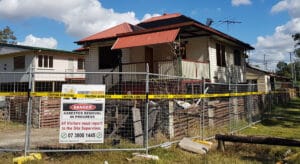
- Older homes often incorporated hazardous materials (asbestos sheeting, fibro, old paints/claddings) which must be removed safely and by licensed professionals — dramatically increasing cost.
- Asbestos removal adds a significant premium: testing, safe removal, licenced disposal, and compliance with regulations (air monitoring, certified disposal) all add to labour and waste-handling expenses.
- Disposal fees for hazardous waste are often higher than standard demolition waste, further pushing up costs.
4. Site Access & Location / Logistics
- Access constraints: Narrow driveways, steep slopes, limited street access, tight suburban blocks — these can prevent easy entry of heavy machinery (excavators, trucks), requiring smaller machines or more manual work, which costs more.
- Proximity to disposal/tip/recycling facilities: The further the site is from disposal centres or recycling yards, the higher transport and disposal fees, which impacts total cost.
- Local council regulations, permits & compliance requirements: Depending on the council (especially in cities), obtaining demolition permits, environmental clearances, and complying with local regulations can add both time and money.
5. Waste Removal & Disposal (Debris, Rubble, Materials)
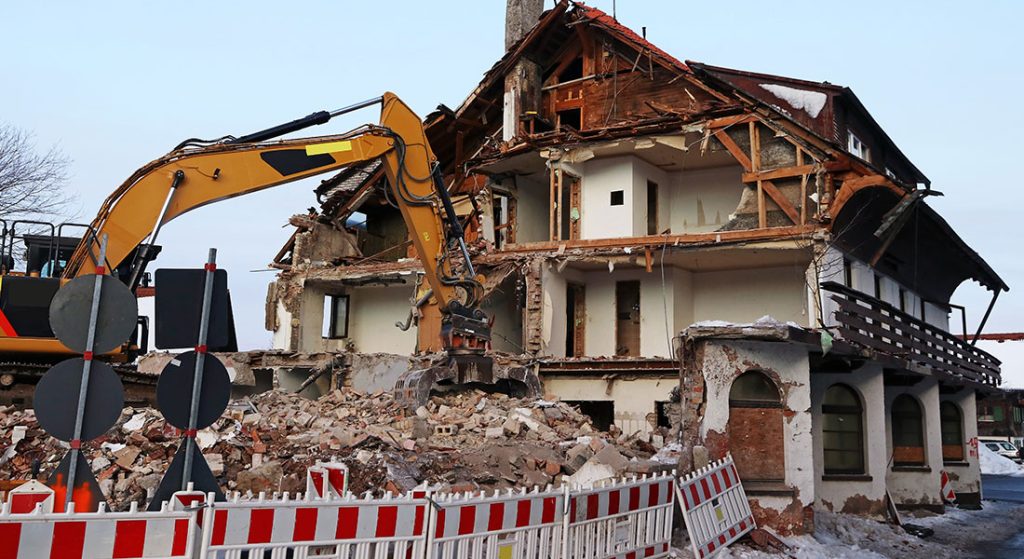
- Demolition creates a lot of debris — bricks, concrete, timber, metal, roofing materials, etc. Transporting, sorting, and disposing of this waste adds significantly to cost.
- If parts of the structure — timber, metal, bricks — can be salvaged or recycled, this may offset some disposal costs. But sorting, deconstruction or selective salvage is more labour-intensive, potentially raising the initial cost for demolition itself.
- Extra clean-up or site preparation after demolition (e.g. removing foundations, clearing rubble, levelling ground) also adds to the total fee.
6. Demolition Method: Mechanical vs Manual / Deconstruction
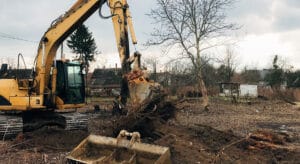
- The typical approach is mechanical — using excavators, heavy plant and machinery — which is faster and often more cost-effective.
- Alternatively, a more careful “manual demolition” or “deconstruction” — where parts are dismantled for salvage or re-use — is more labour-intensive and time consuming, so carries higher labour costs.
- Deconstruction can sometimes recover reusable materials (timber, bricks, metals) — potentially reducing net waste costs — but the initial demolition quote may be higher than a standard mechanical demolition.
7. Additional Structures, Site Preparation, and Ancillary Work
- Sheds, garages, carports, fences, outbuildings, pools, landscaping, trees — any additional structures or features on the property needing removal will add cost.
- Utility disconnection (water, electricity, gas), permit paperwork, inspection fees, council approvals — these administrative and regulatory steps often come with associated costs.
- Environmental compliance (especially when hazardous materials are present), soil testing (if required), waste containment — all contribute to higher costs depending on site condition and requirements.
What This Means for Homeowners: Budgeting & What to Ask When Getting a Quote
When you contact a demolition company such as Spotless Demolition and request a quote, consider asking or preparing the following to get an accurate estimate:
- The full size (square metres) and plan/layout of your house — including whether it’s single or double storey.
- What construction materials were used (timber, brick, concrete, cement slab, etc.).
- Whether there’s potential hazardous material (asbestos, old fibro, lead paint, etc.) present — old houses built before late 1980s/early 1990s often contain these.
- How accessible the site is for trucks and heavy machinery (driveway width, street access, neighbouring houses, slopes).
- Whether there are additional structures (sheds, fences, garages, trees, pools) that need removal.
- What waste removal and disposal is covered — tipping fees, amount of rubble, recycling or salvage options.
- Whether permits, council approvals, inspections, utilities disconnection are part of the quote.
- What demolition method will be used — standard mechanical or manual/deconstruction (if you want salvage or a “greener” option).
Understanding these factors helps you compare quotes properly and avoid unexpected costs. A transparent, itemised quote should reflect each of these elements — not just a “per house” price.
Why Choose Spotless Demolition?
At Spotless Demolition, we understand that no two homes are identical. That’s why our quote process factors in house size, materials, site access, presence of hazardous materials, and waste disposal requirements — giving you an accurate, realistic price.
- We handle asbestos detection, testing and licensed removal when required.
- We take care of waste removal, disposal or recycling, with transparent tipping-fee breakdowns.
- We manage permits, council approvals and compliance paperwork, so you don’t have to worry about legal or environmental issues.
- We offer flexible demolition methods, from standard mechanical teardown to more careful salvage/deconstruction, depending on your needs.
Whether you’re planning a knock-down rebuild or clearing space for landscaping or renovation — get in touch with us today.
Demolition may seem straightforward — tear down the walls, remove the rubbish, and you’re done. But in reality, many behind-the-scenes variables influence the final cost. From the size and structure of the house, to hazardous materials, waste disposal, site access, and regulatory compliance — each factor adds complexity to the job.
By understanding these cost drivers, you as a homeowner can better plan, budget, and ask the right questions when requesting quotes — and ensure you get a fair, transparent, and realistic price from a demolition contractor.